A local pet groomer, dog trainer, repair shop, or used-car dealer often wins customers through practical details: clear services, trustworthy reviews, and easy ways to get in touch. A website link plays a small but important role in that first impression. A vanity URL can make a link easier to recognize, remember, and share, especially when a business is promoting a specific service or campaign.
For businesses that rely on local visibility, a concise, relevant web address can support both offline and online marketing. It does not replace a useful website or strong customer service, but it can make the next step simpler for potential customers.
What Is a Vanity URL?
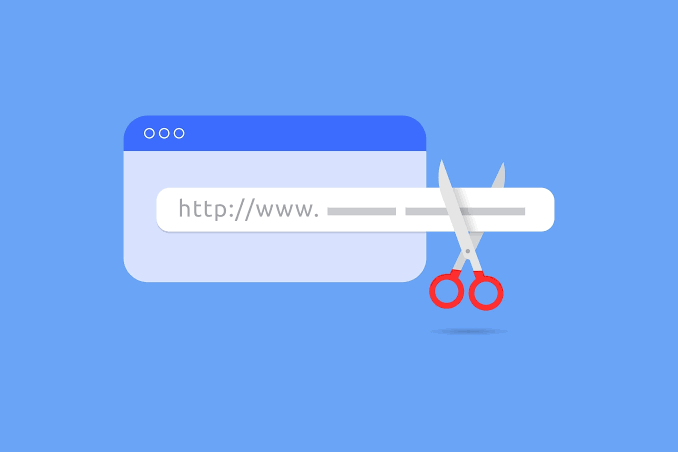
A vanity URL is a customized web address designed to be short, readable, and relevant to a person, brand, service, or campaign. For example, a pet boarding business might create a branded address that points to its holiday booking page, while an auto shop could use one for a seasonal tire service offer.
Unlike a random string of characters, a custom link gives people a clue about where it leads. The destination can still be a longer page address behind the scenes; the vanity URL simply redirects visitors to it.
How It Differs From Regular and Shortened Links
A regular URL often reflects the structure of a website and may include several folders, words, or tracking parameters. It can be useful for browsers and search engines, but cumbersome to read aloud or print on a flyer.
A shortened URL reduces the visible length, often through a link-shortening service. It may be compact, but if it uses an unfamiliar domain or code, people cannot easily tell what the destination contains. A vanity URL aims to be concise and recognizable, using a name or phrase that makes sense to the audience.
For a closer look at the differences and the steps involved in setting one up, read this guide to creating a vanity URL.
Why Local Pet and Auto Businesses Can Use Them
These businesses regularly promote individual services, locations, and time-sensitive offers. A memorable address can connect printed materials and conversations with the relevant page, rather than asking customers to search a broad website and find the information themselves.
- Pet care: A groomer can direct customers to appointment information, or a trainer can share a page about puppy classes.
- Automotive services: A repair shop can point drivers to inspection booking details, while a dealer can share inventory or a test-drive page.
- Community promotions: A business sponsoring a local event can use a campaign-specific address on signs, brochures, or social posts.
The link should lead directly to the page promised by its wording. Sending someone who expects booking details to a generic home page creates friction and can undermine trust.
Make Links Easier to Share and Track
A short, descriptive URL is particularly useful when a customer must type it from a poster, business card, vehicle decal, or printed receipt. It can also make a spoken recommendation easier to follow. Keep the wording simple, avoid confusing spellings, and test that the destination works on mobile devices.
Campaign-specific links can help a business compare where visits come from. For instance, a shop might use separate addresses for a mailer and a community event, each leading to the same service page. Analytics tools can then help show which source attracted more visits, provided tracking is configured correctly. Avoid creating so many variations that staff and customers become confused.
Does a Vanity URL Improve SEO?
A customized URL is not a shortcut to higher search rankings. Search visibility depends on many factors, including the quality and usefulness of a page, its relevance to a search, and the overall strength of the site. A clear address may improve recognition and encourage someone to visit, but it cannot compensate for thin content or a poor customer experience.
Use a vanity URL as a practical branding and navigation tool. Keep the destination page informative, make business details accurate, and ensure that any redirects remain active. If the link changes, update printed and digital materials where possible.
Choosing and Creating a Useful URL
Start with one clear purpose: a service page, a booking action, or a defined campaign. Choose a brief phrase that is easy to understand and spell. Avoid unnecessary numbers, ambiguous abbreviations, and wording that could promise more than the page delivers.
Before sharing the address, check it on different devices and confirm that it redirects to the right page. Make sure the destination loads securely and quickly, and review it periodically—especially if the offer has an end date. Keep ownership and renewal details documented so the link does not unexpectedly stop working.
Supporting the Work Behind Your Online Presence
Maintaining a website and promoting services can require skills beyond a business owner’s day-to-day expertise, such as copywriting, design, or digital marketing. A freelancer marketplace such as Osdire gives buyers a way to find services across many categories, while freelancers can publish offers and build visibility. Those exploring how to make money on Osdire can learn how offers work and how to get discovered without relying on bidding wars.
Final Thoughts
A vanity URL is a small tool with a straightforward job: make an important link more recognizable and easier to use. For pet-care and automotive businesses, it can connect a local promotion to the exact service or booking page a customer needs. Choose a clear address, keep its destination relevant, and treat tracking and SEO as supporting considerations rather than guaranteed results.