Introduction
Tattoos might seem like forever decisions, but the reality is that plenty of people change their minds. Whether it’s a name of an ex-partner, a design that no longer fits your personality, or artwork that hasn’t aged well, tattoo removal has become increasingly common. The good news is that modern technology has made the process more effective and accessible than ever before.
If you’re considering removing unwanted ink, understanding the facts about the procedure can help you make an informed decision. Let’s explore the top five things you need to know about tattoo removal, from how it actually works to what you can realistically expect from the process.
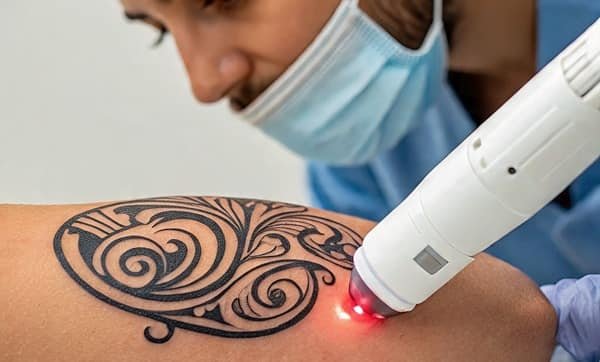
Laser Technology Has Revolutionized the Removal Process
Gone are the days when removing a tattoo meant painful dermabrasion or scarring surgical procedures. Today’s laser technology uses highly concentrated light beams to break down tattoo pigment into tiny particles that your body can naturally eliminate. This method is far more precise and significantly less invasive than older techniques.
The most advanced systems use Q-switched lasers or picosecond lasers, which deliver energy in incredibly short bursts. These rapid pulses shatter the ink without causing excessive damage to surrounding skin tissue. The result is a safer, more effective treatment that minimizes scarring and produces better overall outcomes for patients seeking to erase their regrets.
Complete Removal Takes Multiple Sessions
One of the biggest misconceptions about tattoo removal is that it happens overnight. In reality, you’ll need multiple treatment sessions spaced several weeks apart to achieve optimal results. Most tattoos require anywhere from six to twelve sessions, though some may need more depending on various factors.
Your body needs time between sessions to flush out the fragmented ink particles through its lymphatic system. Scheduling treatments too close together won’t speed up the process and could actually increase the risk of scarring. Patience is essential, as rushing through removal can compromise your final results and potentially damage your skin.
Not All Tattoos Are Created Equal When It Comes to Removal
Several factors determine how easily a tattoo can be removed. Black and dark blue inks typically respond best to laser treatment because they absorb all wavelengths of light. Lighter colors like yellow, green, and fluorescent shades can be more stubborn and may require specialized lasers or additional sessions.
The age, size, and location of your tattoo also play significant roles. Older tattoos are often easier to remove because the ink has already begun to fade naturally. Tattoos located on areas with better circulation, like your arms or legs, tend to clear faster than those on extremities with less blood flow. Professional tattoos with dense, deeply embedded ink generally take longer to remove than amateur stick-and-poke designs.
The Process Involves Some Discomfort But Is Manageable
Let’s be honest: laser tattoo removal isn’t exactly comfortable. Many people describe the sensation as similar to having a rubber band snapped against your skin repeatedly, or like bacon grease splashing on you. However, the discomfort is typically brief and manageable, especially when compared to getting the tattoo in the first place.
Most clinics offer numbing options to make the experience more tolerable. These can include topical anesthetic creams, cooling devices, or even local injections for particularly sensitive areas. When you visit Miami’s leading tattoo removal clinic, you’ll find that experienced practitioners know how to minimize discomfort while maximizing results. The actual laser treatment usually only takes a few minutes, depending on the size of your tattoo.
Proper Aftercare Significantly Impacts Your Results
What you do after each treatment session matters just as much as the procedure itself. Your skin will be sensitive and vulnerable following laser treatment, requiring careful attention to heal properly. Following your provider’s aftercare instructions can mean the difference between excellent results and disappointing outcomes.
Keeping the treated area clean and moisturized is crucial. You’ll need to avoid sun exposure, as UV rays can cause hyperpigmentation and interfere with the healing process. Resist the temptation to pick at any blistering or scabbing, as this can lead to scarring. Most practitioners also recommend avoiding strenuous exercise for a few days after treatment to prevent excessive sweating that could irritate the area.
Conclusion
Tattoo removal has come a long way thanks to advances in laser technology, offering hope to anyone looking to erase unwanted ink. While the process requires commitment, multiple sessions, and proper care, the results can be truly transformative. Understanding these five key facts helps set realistic expectations and prepares you for the journey ahead. If you’re ready to say goodbye to that regrettable tattoo, consult with a qualified removal specialist who can assess your specific situation and create a customized treatment plan for your needs.