A guest doesn’t start on TripAdvisor anymore.
They start on Google.
What appears on the first page of search results—before a single review is read—now determines whether a booking happens at all. For hotels, restaurants, and resorts, hospitality reputation management has shifted from managing star ratings to controlling search visibility.
Algorithms now favor fresh, real-time signals over static review averages. Local Packs, knowledge panels, images, and snippets shape perception instantly. If your brand does not dominate those spaces, negative or misleading content fills the gap.
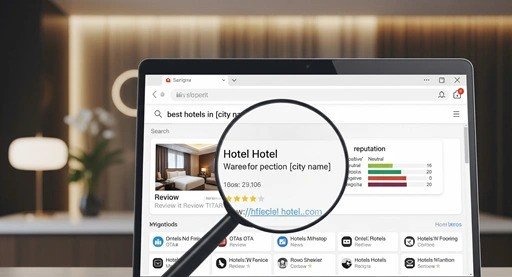
The Search-First Consumer Journey
Most hospitality decisions are made before users ever click a review platform.
Travelers form their first impression directly from Google results. They scan the Local Pack, glance at photos, read short snippets, and move on. Many never reach Yelp, Booking.com, or TripAdvisor at all.
This shift changes how reputation works:
- Search results establish credibility first
- Reviews confirm decisions later
- Visibility outranks volume
Effective hospitality reputation management starts by winning that first screen.
Why Reviews No Longer Carry the Same Weight
Reviews still matter, but they no longer lead.
Google’s ranking systems now prioritize:
- Recency
- Real-time accuracy
- Verified business data
- User intent fulfillment
Static star ratings—especially older ones—carry less influence than they did just a few years ago. Guests care more about what’s true right now: availability, photos, hours, location, and recent activity.
A hotel with fewer reviews but stronger search presence often outperforms competitors with higher averages but weaker visibility.
Search Results Are the Real First Impression
Search behavior happens fast. Most users decide within seconds whether to click, scroll, or leave.
Top-of-page results shape perception through:
- Local Pack placement
- Knowledge panels
- Featured snippets
- Visual content
This “primacy effect” means whatever appears first becomes the mental reference point for your brand. If that space is filled with outdated complaints, mentions of lawsuits, or thin review pages, reputation damage occurs before the guest even considers alternatives.
SERP Features Matter More Than Star Ratings
Modern hospitality search results are crowded with features that sit above organic listings.
The most influential include:
- Local Packs, which capture the majority of nearby intent
- Knowledge panels, which reinforce brand legitimacy
- Image and video results, which drive emotional response
- Featured snippets, which answer questions instantly
Hotels and restaurants that optimize for these elements consistently outperform competitors relying on review volume alone.
Local Pack and Map Dominance
Local Pack visibility is one of the strongest drivers of bookings.
To compete effectively:
- Google Business Profiles must be complete and active
- Photos must be fresh and frequent
- Business information must be consistent everywhere
Map results influence decisions before guests ever see pricing or reviews. Hospitality reputation management that ignores Local Pack optimization leaves revenue on the table.
This is often the first area NetReputation focuses on when helping hospitality brands regain control of search visibility.
Visual Content Drives Trust Faster Than Text
In hospitality, visuals do the heavy lifting.
Photos, videos, and virtual tours:
- Increase click-through rates
- Extend time on page
- Reduce reliance on reviews for validation
Guests trust what they can see. Updated imagery of rooms, dining spaces, amenities, and experiences often neutralizes negative bias created by older complaints.
Visual freshness is now a core reputation signal.
Negative Search Results Cast Long Shadows
One negative search result on page one can outweigh dozens of positive reviews.
These “search shadows” include:
- Old news articles
- Complaint or forum pages
- Yelp rant threads
- Glassdoor posts
- Competitor-driven attack sites
Even when reviews are strong, these results influence perception simply because they appear early.
Hospitality reputation management must focus on pushing these shadows down, not just responding to reviews.
Managing Common Reputation Threats
Different negative assets require different strategies:
- Local news or lawsuit mentions need authoritative content to outrank them
- Yelp complaint pages require controlled, on-site content and verified review signals
- Glassdoor posts benefit from employee storytelling and transparency
- Competitor attack sites demand consistent content velocity and monitoring
The goal is not confrontation—it’s replacement. Stronger, fresher assets take precedence.
Crisis Playbooks Matter
Reputation issues rarely announce themselves politely.
Hotels and restaurants should have a defined response framework that covers:
- Monitoring and alerts
- Messaging ownership
- Content deployment
- Executive escalation
Speed matters, but clarity matters more. Calm, visible action restores trust faster than defensive responses.
This structured approach is a hallmark of professional hospitality reputation management programs.
How to Regain Control of Hospitality SERPs
Brands that control most of their branded search results consistently see higher booking rates.
The most effective approach combines:
- Google Business Profile optimization
- Local SEO and citations
- Owned content creation
- Visual and structured data
- Review visibility—not review chasing
NetReputation applies this layered strategy to help hospitality brands shift from reactive cleanup to long-term search control.
Measuring Reputation Impact the Right Way
Reputation success is measurable—but not by star ratings alone.
Key indicators include:
- Share of page-one results
- Local Pack presence
- Direct booking growth
- Branded search volume
- Reduction of negative results
These metrics reflect actual perception, not surface-level sentiment.
Why Search-Focused Reputation Wins
Hospitality reputation management is no longer about collecting reviews and hoping for the best.
It’s about:
- Controlling first impressions
- Replacing negative narratives
- Staying visible where decisions are made
Search results shape trust long before guests read a single review. Brands that understand this shift protect revenue, reduce dependency on third-party platforms, and build durable reputation equity.