In the global coffee industry, Starbucks is the most recognizable brand, known for transforming how people consume coffee. More than just a café, Starbucks popularized the idea of a “third place”—a space between home and work.
Founded in Seattle, the company has grown into the world’s largest coffeehouse chain.
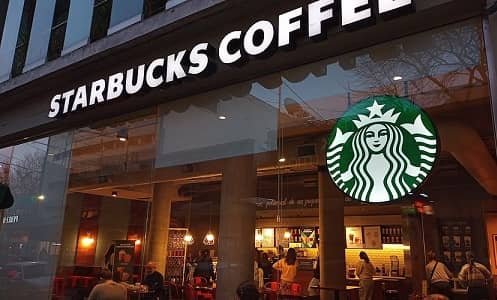
Quick Overview: Starbucks Corporate Identity
| Category | Details |
| Origin Country | United States (Founded in Seattle) |
| CEO (2026) | Brian Niccol |
| Founders | Jerry Baldwin, Zev Siegl & Gordon Bowker |
| Owner | Publicly traded (NASDAQ: SBUX) |
The Founding: A Simple Coffee Shop
Starbucks was founded in 1971 by Jerry Baldwin, Zev Siegl, and Gordon Bowker.
Interestingly, the original store did not serve brewed coffee. It only sold:
- Coffee beans
- Tea
- Brewing equipment
The first store opened at Pike Place Market in Seattle.
The Schultz Transformation
Although not a founder, Howard Schultz played the most important role in shaping the modern brand.
After joining in 1982 and later acquiring the company in 1987, he introduced:
- Espresso-based drinks
- Café culture inspired by Italy
- Rapid global expansion
This transformed Starbucks into a global lifestyle brand.
Ownership Structure
Starbucks is a publicly traded company listed on NASDAQ.
It is owned by shareholders, with major stakes held by:
- Vanguard Group
- BlackRock
- State Street Corporation
There is no single controlling owner.
Leadership in 2026
As of 2026, Brian Niccol leads the company as Chairman and CEO.
He took over in 2024 and is currently driving a major turnaround strategy.
2026 Strategy: “Back to Starbucks”
Under Brian Niccol, Starbucks is focusing on returning to its roots:
- Improving in-store experience
- Simplifying menu and operations
- Enhancing barista-customer interaction
- Redesigning stores with a more comfortable feel
The goal is to move away from a fast-food image and restore the premium café experience.
Global Expansion and China Strategy
Starbucks continues to expand globally.
In 2026, it announced a strategic move in China through a joint venture with Boyu Capital to strengthen growth in that key market.
Conclusion: More Than Just Coffee
Starbucks is not just a coffee brand—it’s a cultural phenomenon. From a small coffee bean shop to a global giant, its journey reflects innovation and adaptation.
Today, with a renewed focus on experience and quality, Starbucks is working to reconnect with what made it special in the first place.