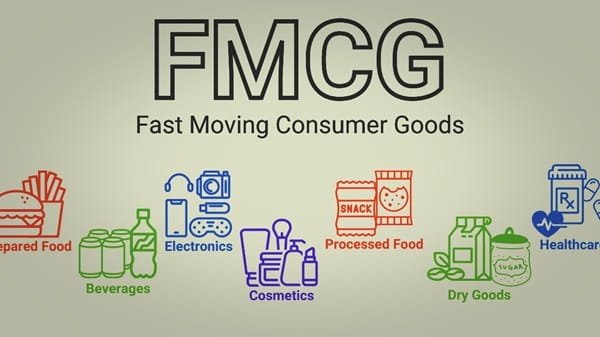
India’s FMCG (Fast-Moving Consumer Goods) industry serves one of the most diverse consumer markets in the world. A company selling soap, packaged food, shampoo, biscuits, or beverages in India is not targeting a single type of customer. It is dealing with two very different consumption ecosystems — rural India and urban India.
The difference goes far beyond geography.
Consumer behavior, income levels, buying habits, product preferences, brand awareness, and distribution systems vary significantly between villages and cities. A marketing strategy that works in Mumbai or Bengaluru may completely fail in a small rural district.
That is why India’s FMCG companies constantly modify products, pricing, packaging, and advertising depending on whether they are targeting rural or urban consumers.
In 2026, this distinction has become even more important because rural and urban India are evolving differently. Urban consumers increasingly demand premium, health-focused, and convenience-based products, while rural markets continue driving large-volume growth for affordable essentials.
For FMCG companies, understanding these differences is critical for long-term business success.
Why Rural India Matters So Much
Rural India represents a massive consumer base.
A large part of India’s population still lives in villages and semi-rural areas. Even though average incomes may be lower than urban regions, the sheer size of the rural market makes it extremely important for FMCG companies.
Many companies depend heavily on rural sales for volume growth.
Urban Markets Drive Premium Consumption
Urban consumers generally have:
- Higher disposable income
- Faster lifestyle patterns
- Greater product exposure
- Higher brand awareness
This creates demand for:
- Premium products
- Convenience items
- Health-focused goods
- Lifestyle brands
Urban markets often generate better profit margins.
Pricing Strategy Changes by Market
One of the biggest differences involves pricing.
In rural markets, affordability is critical.
Companies often sell products through:
- Small sachets
- Mini packs
- Low-unit-price packaging
This helps consumers purchase products in smaller quantities.
Urban consumers, however, may prefer:
- Family packs
- Premium packaging
- Subscription-style purchasing
Sachet Strategy Became a Major Rural Innovation
Indian FMCG companies became famous for introducing sachet packaging for products like:
- Shampoo
- Detergent
- Hair oil
This made branded products affordable for rural consumers.
The sachet strategy helped FMCG penetration expand deeply into villages.
Distribution Systems Differ Greatly
Urban distribution is relatively easier because cities have:
- Supermarkets
- Malls
- Online delivery
- Organized retail chains
Rural distribution is much more complex because villages are geographically spread out and infrastructure varies widely.
Companies often depend on:
- Local distributors
- Small kirana stores
- Rural wholesalers
to reach customers.
Last-Mile Delivery Is a Big Rural Challenge
Reaching remote villages can involve:
- Poor road connectivity
- Smaller retail outlets
- Transportation costs
- Lower inventory turnover
This makes rural supply chains more difficult and expensive.
Product Preferences Also Differ
Urban consumers increasingly focus on:
- Organic products
- Health foods
- Protein-rich items
- Premium cosmetics
- Sustainable packaging
Rural consumers often prioritize:
- Value for money
- Durability
- Familiar brands
- Basic utility
Advertising Style Changes Too
Marketing campaigns are heavily localized.
Urban advertising often emphasizes:
- Lifestyle
- Aspiration
- Modern living
- Convenience
Rural advertising focuses more on:
- Trust
- Practical benefits
- Family usage
- Local cultural connection
Regional Languages Matter More in Rural India
FMCG companies increasingly use regional-language advertising to improve rural engagement.
Television, local events, and regional influencers remain important in many rural markets.
Celebrity Endorsements Work Differently
Urban consumers may follow digital influencers and social-media trends.
Rural markets often respond more strongly to:
- Film stars
- Cricket personalities
- Trusted local messaging
Rural Demand Depends Heavily on Agriculture
Rural consumption is closely connected with:
- Monsoon conditions
- Crop prices
- Agricultural income
- Government support schemes
Good harvest seasons often increase FMCG demand significantly in villages.
Urban Consumers Adopt Trends Faster
Urban markets generally respond faster to:
- New product launches
- International trends
- Digital commerce
- Premiumization
This makes cities important testing grounds for innovation.
E-Commerce Is More Urban-Centric
Online grocery and quick-commerce platforms expanded strongly in urban India.
Companies increasingly optimize products for:
- Online sales
- Subscription delivery
- Digital promotions
However, rural e-commerce penetration still remains more limited.
FMCG Companies Use Different Sales Strategies
Rural sales often depend on:
- Relationship-based selling
- Distributor networks
- Local market understanding
Urban sales increasingly rely on:
- Modern retail
- Data analytics
- Digital marketing
- App-based commerce
Small Retail Stores Still Dominate Rural Markets
Traditional kirana stores remain extremely important in villages and small towns.
FMCG companies maintain extensive rural retail networks to ensure product availability.
Urban Markets Prefer Convenience
Urban consumers increasingly demand:
- Ready-to-eat food
- Instant products
- On-the-go beverages
- Fast-delivery services
Lifestyle speed affects product demand significantly.
Health Awareness Is Rising in Cities
Urban consumers now pay greater attention to:
- Sugar content
- Protein levels
- Organic ingredients
- Nutrition labels
This pushed FMCG firms to expand healthier product categories.
Rural Brand Loyalty Can Be Strong
Once rural consumers trust a product, they often continue using it for long periods.
Building trust in villages can therefore create stable long-term demand.
Digital Payments Expanded Everywhere
UPI and mobile payments improved transactions in both rural and urban markets.
However, digital adoption still remains stronger and faster in urban regions.
Major FMCG Companies Adapt Aggressively
Companies such as:
- Hindustan Unilever
- ITC Limited
- Nestlé India
continuously modify product and marketing strategies for different consumer segments.
Data Analytics Improved Market Understanding
Modern FMCG companies increasingly use:
- Consumer data
- AI analytics
- Demand forecasting
- Retail intelligence
to understand regional consumption patterns better.
Rural Markets Are Becoming More Aspirational
As internet access and smartphone penetration increase, rural consumers are also becoming more brand-aware and aspirational than before.
This is slowly narrowing certain consumption gaps.
Inflation Impacts Rural and Urban Markets Differently
Urban consumers may absorb price increases more easily.
Rural consumers are often more sensitive to:
- Food inflation
- Fuel prices
- Agricultural income changes
This affects purchasing behavior.
Sustainability Matters More in Urban Markets
Urban consumers increasingly prefer:
- Eco-friendly packaging
- Sustainable brands
- Ethical sourcing
though price sensitivity still remains important.
Why FMCG Companies Cannot Use One Strategy Everywhere
India is not a uniform consumer market.
Successful FMCG companies understand that:
- Rural India requires affordability and accessibility
while - Urban India demands convenience and premiumization.
What Experts Expect in the Future
Analysts expect:
- Rural consumption recovery
- Faster digital penetration
- Growth in premium urban categories
- Expansion of regional brands
to shape India’s FMCG industry over the next decade.
Final Thoughts
Indian FMCG companies operate in one of the world’s most complex consumer environments because rural and urban markets behave very differently. Successful companies adapt continuously by changing pricing, packaging, advertising, distribution, and product strategies according to consumer needs.
In 2026, rural India continues driving large-scale consumption growth, while urban India increasingly pushes premiumization and digital commerce.
For FMCG businesses, long-term success depends not on selling the same product everywhere, but on understanding how differently India’s consumers live, spend, and make buying decisions.
FAQs
Q. What does FMCG mean?
FMCG stands for Fast-Moving Consumer Goods such as soap, food, beverages, and daily-use products.
Q. Why are rural markets important for FMCG companies?
Rural India has a massive consumer base and drives large product volumes.
Q. Why do FMCG companies sell sachets in villages?
Small sachets make products affordable for price-sensitive consumers.
Q. How are urban consumers different from rural consumers?
Urban consumers generally prefer convenience, premium products, and health-focused items.
Q. Why is rural distribution difficult?
Villages are geographically spread out and infrastructure can be weaker.
Q. Which companies are major FMCG players in India?
Major companies include Hindustan Unilever and ITC Limited.
Q. How does agriculture affect rural FMCG demand?
Good crop income and monsoon seasons often increase rural purchasing power.
Q. Why is regional-language advertising important?
It improves customer connection and product trust in local markets.
Q. Is e-commerce stronger in urban India?
Yes, online grocery and quick-commerce adoption are much higher in cities.
Q. Why can’t FMCG companies use the same strategy everywhere?
Consumer income, lifestyle, access, and buying behavior vary greatly between rural and urban India.