Key Takeaways
-
Whistleblowers play a crucial role in uncovering illegal or unethical activities within organizations.
-
Despite legal protections, many whistleblowers face retaliation, including job loss and harassment.
-
Strengthening whistleblower protections is essential for promoting transparency and accountability.
Whistleblowers serve as vital guardians of the public interest by exposing misconduct that might otherwise remain hidden. Their courageous actions have led to significant reforms and increased accountability across various sectors. If you find yourself in a position where you have witnessed wrongdoing, consulting a whistleblower attorney can help you understand your rights and options in moving forward safely.
The importance of whistleblowers cannot be overstated. They reveal activities ranging from financial fraud to threats to public safety, and their disclosures have shaped both business practices and public policies. Still, the decision to come forward is fraught with personal and professional risk, making the need for robust protection even more pressing.
Understanding Whistleblowing
Whistleblowing involves individuals reporting activities within an organization that are illegal, unethical, or harmful to the public. This can include fraud, corruption, safety violations, and more. Whistleblowing is vital to maintaining integrity and trust in both public and private institutions. Whistleblowers help ensure that powerful organizations cannot easily hide malfeasance or endanger people for profit or convenience.
Often, whistleblowers report to government agencies, oversight boards, or the media. Each path has different risks and potential outcomes, but every whistleblower faces a complex moral and legal landscape. Decisions about when and how to report misconduct can have lasting ramifications, making it critical to seek support and legal guidance throughout the process.
In the United States, the Whistleblower Protection Act of 1989 provides a legal framework for federal employees who reveal evidence of wrongdoing. However, the Act has notable limitations, sometimes failing to shield those who step forward in non-federal or private environments. Even within its scope, whistleblowers may face inconsistent enforcement, leaving them exposed to various forms of retaliation.
The gaps in coverage are especially apparent in high-profile cases involving major government agencies or large corporations. For instance, not all employees are equally protected, and enforcement agencies sometimes struggle to intervene swiftly or effectively. Advocacy groups like the Government Accountability Project continue to push for stronger laws and better oversight to address these weaknesses and offer more comprehensive safety nets for those willing to take on the risks of disclosure.
Challenges Faced by Whistleblowers
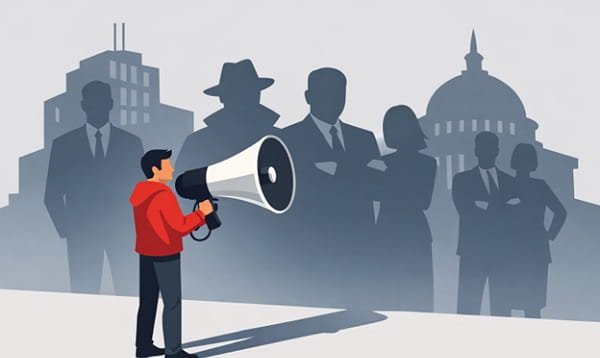
Despite existing protections, whistleblowers frequently face severe consequences for their actions. These can take many forms, including job loss, forced demotion, aggressive harassment, or even blacklisting in their industry. The culture of retaliation is real and well-documented, contributing to a climate of fear that can deter potential whistleblowers from coming forward.
Consider the stories reported in recent years, such as those by federal prison employees who shed light on workplace abuses. Many of these individuals faced significant backlash, including professional isolation and threats, despite acting in the public’s best interest. Their experiences expose the urgent need for reform that goes far beyond what the current legal framework provides.
Furthermore, the emotional and psychological toll on whistleblowers should not be underestimated. The stress associated with litigation, strained relationships with coworkers, and uncertainty about future employment can be overwhelming. Support networks, mental health resources, and community outreach programs are essential to help whistleblowers endure the fallout from their actions and eventually rebuild their careers and lives.
The Impact of Whistleblowing on Society
The courageous efforts of whistleblowers have uncovered some of the most significant scandals in recent history, resulting in substantial reforms and tangible improvements. Undisclosed financial misconduct, in particular, has come to light because of their vigilance, often resulting in recovered funds for investors and new oversight mechanisms. These revelations frequently prompt federal investigations, tighter regulations, and, ultimately, a safer and more just environment for the public.
Whistleblowers do not just shed light on corruption. They deter new misconduct by fostering an environment in which organizations know their actions may be scrutinized. This ripple effect means that whistleblowers are not only justice-seekers for individual wrongs but also key players in maintaining the overall integrity of institutions.
More broadly, whistleblowing bolsters democratic values and open societies. When employees feel empowered to speak out without fear, transparency becomes the norm rather than the exception. Public faith in institutions can grow when wrongdoings are addressed rather than hidden, bringing long-term benefits to democracy and governance. Whistleblower revelations have also spurred educational reforms, prompted the adoption of new oversight technologies, and brought previously ignored issues to the forefront of public debate.
Strengthening Whistleblower Protections
Fostering a culture that supports and protects whistleblowers is not only a matter of fairness but also of public safety and good governance. Experts and advocacy organizations argue for comprehensive reforms, including establishing independent bodies to investigate complaints, ensuring anonymity for whistleblowers, and providing legal and financial assistance to whistleblowers.
By putting these systems in place, society can encourage more people to come forward with information that might otherwise remain buried. Comprehensive whistleblower protections are vital for transparency and accountability, and help build a world where truth-telling is regarded as an act of courage, rather than a risk to one’s livelihood.
Additionally, updating existing legislation to address modern workplace dynamics, such as remote work environments and digital whistleblowing channels, can further bridge protection gaps. Educational campaigns, employer training programs, and greater collaboration between agencies can reinforce the message that retaliation will not be tolerated. As society evolves, so too must the frameworks designed to safeguard those who put their reputations on the line in pursuit of justice.
Conclusion
Whistleblowers are indispensable in the struggle against corruption and unethical behavior. Their willingness to speak out makes institutions more transparent and less vulnerable to abuse. By strengthening protections and fostering environments that value whistleblowers, we ensure these individuals can make their disclosures safely, paving the way for meaningful reforms and greater public trust.
Ultimately, supporting whistleblowers is an investment in accountability and fairness. As our understanding of their importance deepens, future reforms should focus on making the decision to report wrongdoing less daunting and more empowering. The path forward calls for all of us, legislators, organizations, and citizens alike, to champion whistleblowers, celebrate their courage, and uphold the principles that make society just and equitable for all.