Choosing the right water treatment solution for your home can be confusing, especially when faced with options like water softeners and water purifiers. While both improve water quality, they solve different problems. Many homeowners wonder whether they should install a water softener before investing in a new water purifier. The answer depends on the quality of your water and the specific issues you are trying to address. Understanding the difference between these two systems can help you make a smarter decision for your household.
What Does a Water Softener Do?
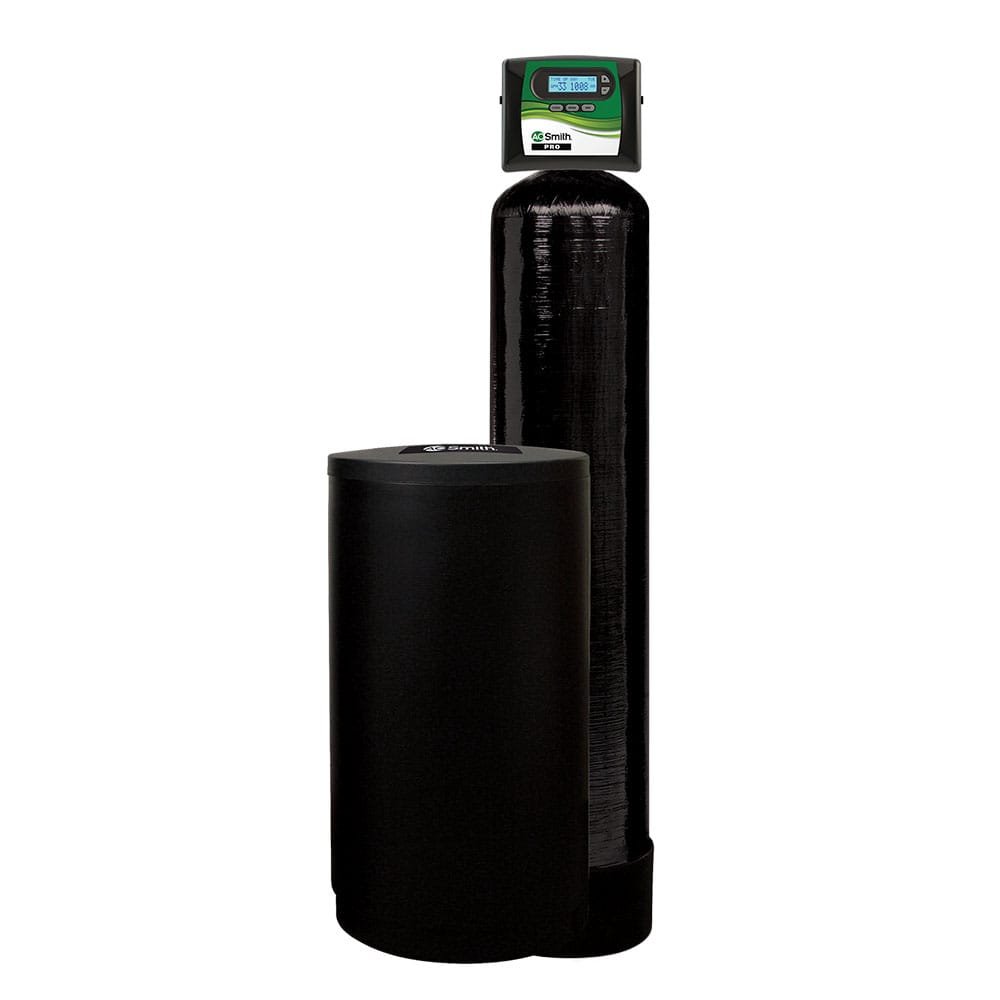
A water softener is designed to reduce water hardness by removing excess calcium and magnesium minerals. Hard water is common in many parts of India and can cause several household issues, including:
- White scale deposits on taps and showerheads
- Reduced efficiency of appliances
- Soap and detergent not lathering properly
- Dry skin and dull hair after bathing
By softening the water, a water softener helps protect plumbing, extends the life of appliances and improves everyday cleaning.
What Does a Water Purifier Do?
A water purifier focuses on making drinking water safer by removing contaminants that may affect your health. Depending on the technology, a purifier can reduce:
- Dissolved impurities
- Heavy metals
- Harmful microorganisms
- Chlorine and unpleasant odours
- Suspended particles
Technologies such as RO, UV and UF are designed to address different water quality concerns. Choosing the right purifier depends on your water source and the contaminants present.
Do You Need a Water Softener Before a Water Purifier?
The decision depends on the hardness of your incoming water and the type of purifier you plan to install.
If your water supply has high Total Dissolved Solids (TDS) along with significant hardness, an RO water purifier can often reduce many dissolved minerals while providing safe drinking water. However, if your entire home receives very hard water, installing a water softener can offer additional benefits beyond drinking water by protecting plumbing fixtures and household appliances.
In other words:
- If your main concern is drinking water quality, a suitable water purifier may be enough.
- If hard water affects your bathrooms, kitchen, washing machine and water heater, a whole house water softener can be a worthwhile investment.
When Is It Recommended to Have Both?
Installing both systems can provide comprehensive water treatment in homes with extremely hard water.
A water softener treats the incoming water supply, reducing scale formation throughout the house. The water purifier then provides clean and safe drinking water at the point of use.
This combination is particularly beneficial when:
- Water hardness is consistently high
- Appliances frequently develop scale deposits
- Plumbing requires frequent maintenance
- You want better tasting drinking water alongside softer water for household use
Using softened water can also help improve the performance and lifespan of appliances such as a water heater, where mineral deposits often reduce heating efficiency over time.
How Do You Know What Your Home Needs?
Before purchasing any system, it is advisable to test your water quality. A basic water analysis can identify:
- Water hardness
- TDS levels
- Presence of bacteria
- Chlorine content
- Other contaminants
The results will help you determine whether you need only a water purifier or a combination of a water softener and purifier.
Final Thoughts
A water softener and a water purifier serve different purposes, and one does not replace the other. If your primary goal is safe drinking water, selecting the right purifier based on your water quality is usually sufficient. However, if hard water is causing scale build-up, appliance damage and plumbing issues throughout your home, adding a water softener can provide long term benefits.
Testing your water before making a purchase ensures you invest in the right solution for your household, helping you enjoy cleaner, safer water while protecting valuable appliances and improving everyday comfort.